When I think back to the early 2000s automotive landscape, one brand consistently pops into my mind as genuinely unique: Scion. It wasn't just another car company; it was, quite frankly, a fascinating social and business experiment launched by Toyota. The idea behind Scion was simple, yet incredibly ambitious: capture the elusive Gen Y market, often referred to as millennials, who felt largely overlooked by traditional automakers. They wanted something fresh, something customizable, something that didn't scream 'my dad's car.' Toyota recognized this gaping hole, and Scion was their answer.
The Birth of a Youth Movement
Toyota officially introduced Scion to the world in 2002, initially launching it in California before a nationwide rollout in 2003. Their approach wasn't just about new car designs; it was about reimagining the entire car-buying and ownership experience for a younger demographic. I believe this foresight was genuinely innovative at the time. Traditional showrooms, with their haggling and confusing option packages, just weren't cutting it for this new generation of buyers. Scion aimed to simplify all that, making car ownership feel less like a chore and more like a natural extension of one's personal style.
My take on it is that they really put their money where their mouth was when it came to understanding their audience. They knew what young buyers valued. It wasn't just about horsepower; it was about self-expression and community. They actively engaged with urban culture, art, music, and the burgeoning customization scene, something few mainstream brands were doing effectively.
Defining Scion's Unique Philosophy
Scion operated on a few core principles that set it apart. These weren't just marketing buzzwords; they shaped every aspect of the brand, from product development to sales. Let me explain what I mean:
- Pure Price: This was a game-changer. Imagine walking into a dealership and knowing the price listed is the price you pay, no negotiation needed. It built trust and transparency, especially appealing to young buyers who often felt intimidated by traditional car sales tactics. I think this alone made a huge difference.
- Monospec Trim: Most Scion models came in one well-equipped trim level. This cut down on confusion and ensured everyone got a solid set of features without having to navigate a maze of options. If you wanted something extra, that's where the accessories came in.
- Extensive Customization: This was probably the brand's biggest draw. Scion cars were designed to be blank canvases. Owners could choose from hundreds of dealer-installed accessories, from body kits and wheels to interior lighting and audio upgrades, often before the car even left the lot. It truly allowed people to make their car uniquely theirs, and we saw some incredibly creative builds emerge from this freedom.
The Iconography of Scion: Models That Made a Mark
Scion's vehicle lineup, while not vast, featured some truly distinctive models that became cultural icons in their own right, especially among tuners and enthusiasts. We saw cars that really broke the mold.
- The xA and xB: These were the original duo. The xA was a subcompact hatchback, practical and fuel-efficient. But it was the xB that became an instant legend. With its boxy, unconventional styling, it was nicknamed the 'toaster on wheels' and resonated deeply with those looking for something different. I remember seeing them everywhere, often heavily customized, proving Scion's vision for personalization was working. It was spacious, practical, and cool – a rare combination.
- The tC: Introduced as Scion's sporty coupe, the tC offered a more traditional yet still stylish option. It gave buyers a sleek, affordable two-door car with a decent amount of power and, of course, plenty of aftermarket support for modifications. I always thought it was a smart move to offer a coupe; it broadened their appeal without abandoning their core principles.
- The xD and iQ: Later additions included the xD, which replaced the xA, offering a slightly more refined subcompact. Then came the iQ, an ultra-compact city car that was almost absurdly small yet surprisingly roomy inside. It was a bold statement about urban mobility.
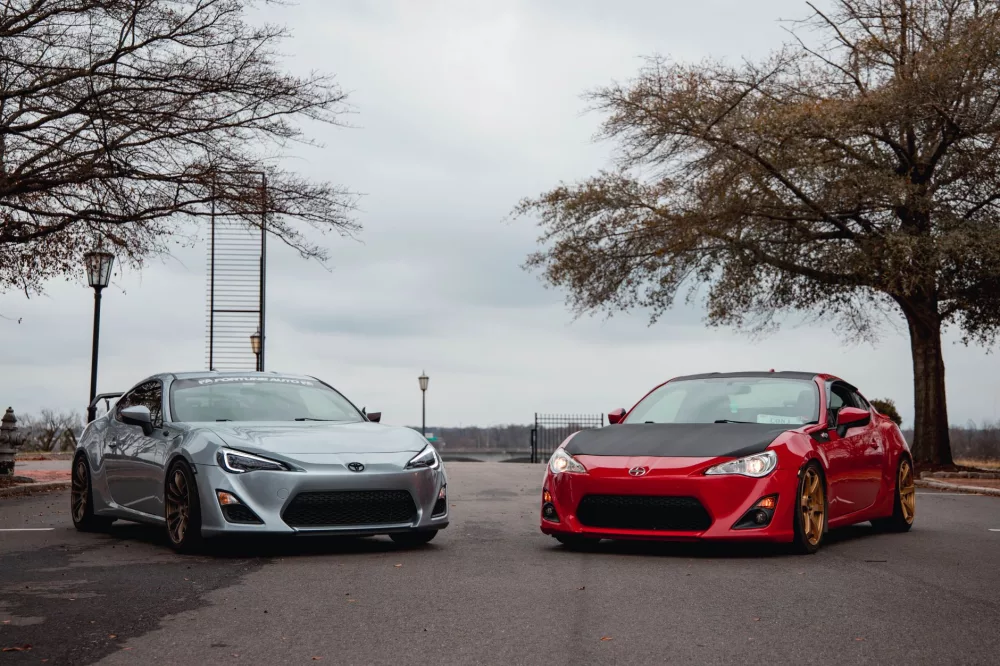
- The FR-S (now Toyota 86): This was perhaps Scion's most critically acclaimed model. Developed in collaboration with Subaru, the FR-S was a rear-wheel-drive sports coupe focused purely on driving dynamics. It brought back the spirit of affordable, accessible sports cars and garnered immense praise from enthusiasts and critics alike. I’d argue it's one of the best affordable sports cars of its generation, and it really cemented Scion's credibility beyond just quirky design.
The Challenges and Eventual Sunset
Despite its initial success and innovative approach, Scion faced significant challenges over its roughly 13-year lifespan. The market evolved, and what was once fresh became harder to distinguish. I believe a few factors contributed to its eventual winding down:
- Maturing Target Audience: The millennials Scion initially targeted grew up. Their needs and preferences changed, often moving towards larger vehicles or more traditional brands as their incomes and families grew.
- Brand Blurring: As Toyota itself started to offer more youthful and customizable models (influenced, no doubt, by Scion's success), the distinction between Scion and its parent company began to blur. Models like the Corolla iM and Yaris iA were effectively Scions already.
- Economic Shifts: The global financial crisis and changing consumer habits certainly played a role. The compact car market became increasingly competitive, and Scion's unique positioning became harder to maintain.
- Lack of Crossover Options: The market shifted heavily towards SUVs and crossovers, a segment Scion largely didn't participate in until very late, and by then, it might've been too little, too late.
Ultimately, in 2016, Toyota announced it would discontinue the Scion brand, integrating its popular models like the FR-S, iA, and iM directly into the Toyota lineup. It was a bittersweet moment for many of us who admired the brand's audacity.
Scion's Indelible Legacy on Toyota
While Scion itself is no longer with us, its impact on Toyota is undeniable and, I'd say, profoundly positive. It wasn't a failure; it was a highly successful learning experience. Toyota learned how to engage with a younger demographic, how to simplify the buying process, and how to embrace customization.
We can see Scion's DNA in many modern Toyota vehicles. The adventurous styling of new Corollas, the focus on driver engagement in models like the Supra and GR Yaris, and the simplified trim structures are all, in my opinion, direct descendants of the Scion experiment. It taught a massive, established automaker to be nimble, bold, and to listen to a different kind of customer. Scion broke down barriers, challenged conventions, and left behind a legacy that continues to influence the automotive world today.
For me, Scion will always represent a moment when a major car company dared to be different, truly trying to connect with a new generation on their own terms. It didn't last forever, but what it gave us was pretty special.