When I think about my car, whether it’s the trusty sedan I drove for years or the sleek new SUV I’m eyeing, one of the first things that comes to mind after the initial excitement is, predictably, insurance. And if you’re a Hyundai owner, or thinking of becoming one, understanding Hyundai insurance isn't just a good idea; it's absolutely essential. I've spent quite a bit of time researching this, and I want to share what I've learned to help you get the best coverage for your Hyundai.
You see, insuring a Hyundai isn't fundamentally different from insuring any other brand, but there are some nuances that we ought to consider. From the specific model you drive to recent theft trends affecting certain vehicles, these factors can really sway your premiums. My goal here is to walk you through the various aspects that influence your insurance costs, help you understand the types of coverage available, and equip you with some solid strategies to save money.
What Makes Hyundai Insurance Unique?
Okay, so let's start with the basics. Why might Hyundai insurance be a specific conversation? Well, like any car brand, Hyundai has its own set of characteristics that impact insurance rates. I’ve noticed that some of these are quite significant.
Factors Influencing Your Hyundai Insurance Costs
- Model and Trim Level: This is a big one. A Hyundai Kona, for instance, might have different insurance costs than a Hyundai Palisade or a high-performance N-Line model. Generally, more expensive vehicles, those with higher repair costs, or models that are stolen more frequently, will cost more to insure. My research suggests that newer, feature-rich models often come with slightly higher premiums due to the cost of replacing advanced components like sensors and sophisticated infotainment systems.
- Safety Features: This is where Hyundai really shines, and it can work in your favor. Modern Hyundais come packed with SmartSense safety technologies like Forward Collision-Avoidance Assist, Lane Keeping Assist, and Blind-Spot Collision-Avoidance Assist. Insurers love these features because they reduce the likelihood of accidents. I’ve personally seen how these systems can make a real difference, and insurance companies often offer discounts for cars equipped with advanced driver-assistance systems (ADAS).
- Repair Costs and Parts Availability: Generally, Hyundai parts are considered reasonably priced, and the vehicles are known for their reliability. This can contribute to lower insurance premiums compared to luxury brands. However, some specialized parts for newer or performance models might be harder to source or more expensive, which could slightly increase comprehensive or collision coverage costs.
- Theft Rates (The 'Kia Boyz' Effect): This is an important, though unfortunate, point we absolutely have to discuss. In recent years, certain Hyundai and Kia models from specific production years (typically 2011-2021) that use a traditional key ignition system have been targeted by thieves due to a vulnerability that makes them relatively easy to steal. This trend, often associated with viral social media challenges, has unfortunately driven up insurance costs, and in some extreme cases, made it difficult to obtain insurance for these specific models in certain areas. If you own one of these affected vehicles, or are considering purchasing one, I strongly advise you to check with your insurer about potential impacts. I know it’s a frustrating situation, but it’s a reality we must address. Hyundai has released software updates and offers security kits to help mitigate this issue, which is something I'd definitely look into if you're affected.
- Your Personal Driver Profile: Let's not forget about you! Your age, driving history (clean record = lower rates!), location (urban vs. rural), credit score (in many states), and even where you park your car overnight all play a significant role in determining your insurance premium. My experience tells me that maintaining a good driving record is probably the single most impactful thing you can do to keep your rates down.
Understanding Types of Coverage for Your Hyundai
When you're insuring your Hyundai, you’ll typically encounter a range of coverage options. It’s important to understand what each one does so you can build a policy that truly protects you. I always recommend going beyond just the minimum legal requirements.
Essential Coverages
- Liability Coverage: This is the most basic and usually legally required type of insurance. It covers damages and injuries you cause to others in an accident. There are two parts: Bodily Injury Liability (for medical expenses and lost wages of others) and Property Damage Liability (for damage to other vehicles or property). I personally wouldn't skimp on this, as accident costs can quickly skyrocket.
- Collision Coverage: This covers damage to your own Hyundai resulting from a collision with another vehicle or object, regardless of who was at fault. If you have a loan or lease, your lender will almost certainly require this.
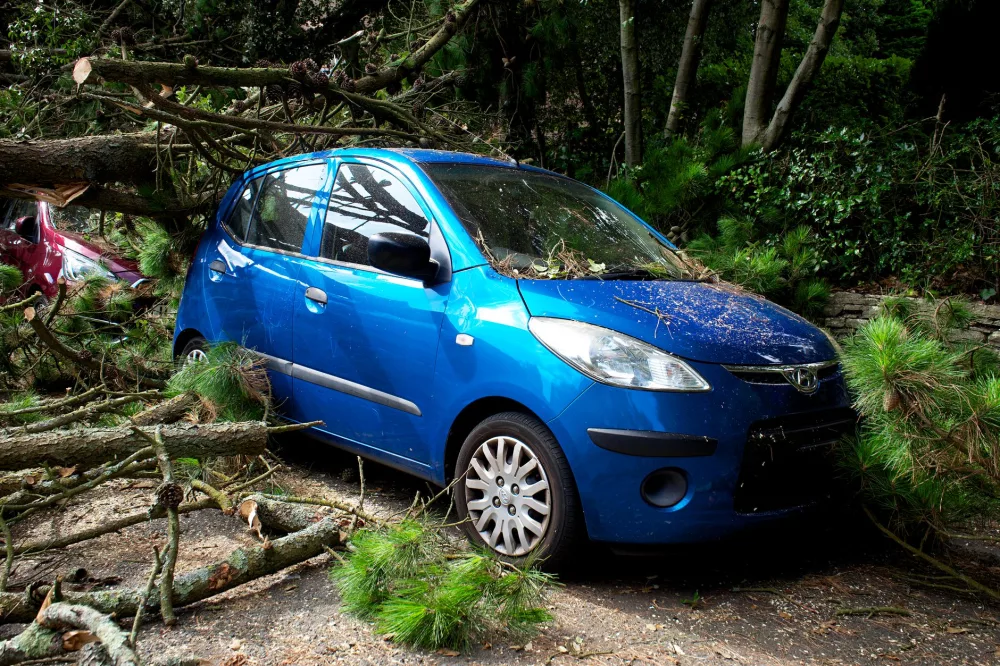
- Comprehensive Coverage: This protects your Hyundai from non-collision incidents like theft, vandalism, fire, natural disasters (hail, floods), and hitting an animal. Given the recent theft concerns for some Hyundai models, comprehensive coverage becomes even more important.
Optional, But Often Recommended, Coverages
- Uninsured/Underinsured Motorist (UM/UIM): This protects you if you're hit by a driver who either has no insurance or not enough insurance to cover your damages. I consider this vital, as many drivers on the road are underinsured.
- Medical Payments (MedPay) or Personal Injury Protection (PIP): These cover medical expenses for you and your passengers after an accident, regardless of who was at fault. PIP can also cover lost wages and other expenses.
- Gap Insurance: If your Hyundai is totaled and you owe more on your car loan or lease than its actual cash value, gap insurance covers the difference. I've seen too many people caught without this, owing money on a car they no longer have.
- Roadside Assistance: Many insurers offer this as an add-on, covering things like towing, jump-starts, and flat tire changes. It's often more affordable through your insurer than a separate service.
- Rental Car Reimbursement: This pays for a rental car while your Hyundai is being repaired after a covered claim. It’s a lifesaver when you rely on your vehicle for daily activities.
- OEM Parts Coverage: Some insurers offer this, ensuring that if your Hyundai needs repairs, original equipment manufacturer (OEM) parts are used instead of aftermarket ones. This can maintain the integrity and value of your vehicle.
How to Save Money on Your Hyundai Insurance
Nobody wants to pay more than they have to, right? I'm always looking for ways to cut costs without sacrificing protection. Here are some strategies I’ve found to be quite effective:
- Shop Around Aggressively: This is probably the number one piece of advice I can give you. Don't just stick with your current insurer. Get quotes from multiple companies – at least three or four. Rates can vary wildly for the exact same coverage. Use online comparison tools, or better yet, talk to an independent insurance agent who can do the legwork for you.
- Bundle Your Policies: If you combine your auto insurance with your home or renters insurance, many companies will offer a significant multi-policy discount. It’s usually a no-brainer.
- Ask About Discounts: You'd be surprised how many discounts are available. Think about things like:
- Good Driver/Accident-Free Discount: Obvious, but true.
- Multi-Car Discount: Insuring more than one vehicle with the same company.
- Anti-Theft Device Discount: Especially relevant for some Hyundai models.
- Good Student Discount: For younger drivers with good grades.
- Defensive Driving Course Discount: Completing an approved course can shave off a percentage.
- Low Mileage Discount: If you don't drive much.
- Paid-in-Full Discount: Paying your premium annually instead of monthly.
- Increase Your Deductible: A higher deductible means you pay more out-of-pocket if you make a claim, but it almost always lowers your premium. Just make sure you can comfortably afford your chosen deductible.
- Improve Your Credit Score: In many states, your credit score can impact your insurance rates. A higher score often translates to lower premiums because insurers view it as an indicator of responsibility.
- Drive Safely: This goes without saying, but a clean driving record free of accidents and moving violations is your best friend when it comes to insurance costs. My personal philosophy is that being a safe driver is its own reward, but the insurance savings are a nice bonus.
- Consider a Usage-Based Insurance Program: Some insurers offer programs where they track your driving habits (speeding, hard braking, mileage) via a telematics device or app. If you’re a safe driver, this can lead to discounts.
- Regularly Review Your Policy: Life changes, and so should your insurance. I make it a point to review my policy annually to ensure I'm not overpaying for coverage I no longer need, or conversely, that I still have adequate protection.
The Ongoing 'Kia Boyz' Situation and What Hyundai Owners Can Do
I feel it's really important to revisit the theft issue because it’s caused a lot of stress and confusion for Hyundai owners. If your Hyundai model falls into the affected category (typically 2011-2021 models with a traditional key ignition, lacking an engine immobilizer), you might have encountered challenges securing affordable insurance or even any insurance at all in certain areas. It's a real headache, and I sympathize with anyone dealing with it.
Here's what Hyundai has done and what you can do:
- Software Upgrade: Hyundai has developed a free software upgrade for many affected vehicles. This upgrade updates the vehicle's theft alarm software, extending the alarm sound duration from 30 seconds to one minute and requiring the key to be in the ignition to turn the vehicle on. I absolutely recommend getting this done if your vehicle is eligible.
- Security Kits: For vehicles that can't receive the software upgrade, Hyundai has made security kits available for purchase and installation. These might involve more physical deterrents.
- Steering Wheel Locks: Many police departments have been distributing free steering wheel locks to owners of affected vehicles. This is a simple, visual deterrent that can often make a thief think twice. I use one myself for an older car I own, and it provides a bit of extra peace of mind.
- Check with Hyundai Dealerships: They are the best resource for determining if your specific vehicle is affected and what solutions are available to you.
When you're talking to insurance companies, be sure to mention any steps you've taken to secure your vehicle. These proactive measures could potentially help mitigate the impact on your rates or improve your chances of getting coverage.
Wrapping Up My Thoughts
Insuring your Hyundai doesn't have to be a bewildering process, even with some of the recent challenges specific to the brand. By understanding the factors that influence your premiums, knowing what types of coverage are available, and actively seeking out discounts, you can make informed decisions that protect your investment without breaking the bank. Remember, your car is an important asset, and I truly believe that investing time into getting the right insurance coverage is just as important as choosing the right model in the first place. Stay safe on the road, and make sure your Hyundai is well-protected!